
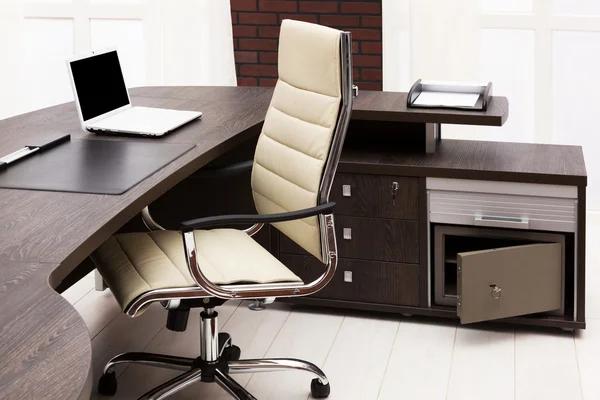
In today’s competitive business environment, companies are constantly seeking ways to optimize their operations while managing costs effectively. One emerging trend that reflects this practical mindset is the growing preference for used office furniture. Smart businesses recognize that investing in pre-owned furnishings offers numerous advantages without compromising quality or aesthetics. This shift is driven by a combination of financial prudence, environmental responsibility, and the evolving nature of workplace design.
Cost savings stand out as a primary reason why many organizations opt for used office furniture. New office setups can be expensive, often requiring significant capital expenditure that might strain budgets, especially for startups or small to medium-sized enterprises. Used furniture provides an affordable alternative that allows businesses to allocate resources more strategically across other critical areas such as technology upgrades or employee development programs. Despite being more budget-friendly, high-quality secondhand pieces often meet or exceed durability standards since commercial-grade office furniture is built to withstand heavy use over time.
Beyond financial considerations, sustainability plays an increasingly important role in business decisions today. Purchasing used furniture reduces waste and decreases demand for new manufacturing processes that consume raw materials and energy. Companies adopting eco-friendly practices demonstrate corporate social responsibility and appeal to environmentally conscious clients and employees alike. By extending explore the offerings lifecycle of existing products through reuse, businesses contribute positively toward reducing landfill contributions and carbon footprints associated with production and transportation.
Another factor influencing this trend is flexibility in workspace design. Modern offices frequently undergo changes due to growth phases or shifts in work culture such as remote or hybrid models. Used office furniture markets offer diverse options ranging from desks and chairs to storage units that can adapt easily to changing layouts without incurring hefty replacement costs each time adjustments are necessary. This adaptability supports dynamic environments where functionality must keep pace with evolving operational needs.
Moreover, purchasing from reputable suppliers ensures access to professionally refurbished items inspected for safety and functionality standards comparable to new products. Many vendors also provide warranties or return policies which alleviate concerns about reliability when choosing secondhand options.
In conclusion, smart businesses switching to used office furniture do so because it aligns well with cost efficiency goals while supporting sustainable practices and offering flexible solutions tailored for modern workspaces. This approach not only conserves financial resources but also reinforces a commitment toward responsible consumption-qualities essential for thriving in today’s market landscape where both economic prudence and environmental consciousness matter deeply.