
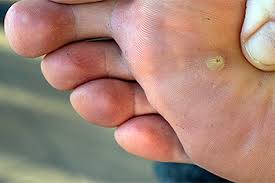
Mole removal is a common dermatological procedure that many people consider for both cosmetic and medical reasons. Whether you’re looking to remove a mole due to its appearance or because of potential health concerns, it’s essential to approach the procedure with careful consideration and preparation. A comprehensive checklist can help ensure that you are fully prepared for your mole removal treatment.
Firstly, consultation with a qualified dermatologist is crucial. During this initial appointment, discuss your reasons for wanting the mole removed and any concerns you may have about the procedure. The dermatologist will examine the mole to determine if it poses any health risks or if it’s purely cosmetic. This assessment will guide the choice of removal method, which could range from surgical excision to laser treatment.
Once you’ve decided on proceeding with the treatment, understanding pre-procedure instructions is vital. Your doctor might advise avoiding certain medications like blood thinners or non-steroidal anti-inflammatory drugs (NSAIDs) in the days leading up to your appointment, as these can increase bleeding during surgery. Additionally, if you’re prone to cold sores and your mole is located near your lips or mouth area, inform your doctor as they might prescribe antiviral medication beforehand.
On the day of the procedure, wear comfortable clothing that allows easy access to the area around the mole. If local anesthesia is used during removal, having someone accompany you could be beneficial in case you feel lightheaded afterward.
Post-procedure care is just as important as preparation. Follow all aftercare instructions provided by your healthcare provider meticulously. These may include keeping the wound clean and dry for a specified period and applying prescribed ointments or creams regularly to promote healing and reduce scarring risk.
Monitoring for signs of infection post-removal should also be part of your checklist—look out for symptoms such as increased redness, swelling beyond normal expectations, pus discharge from the site, or fever—and contact your healthcare provider immediately if these occur.
Furthermore, schedule follow-up appointments with your dermatologist as recommended; these visits are crucial not only for ensuring proper healing but also for checking other moles warts on body treatment periodically since new ones can develop over time.
Lastly, understand that while removing a mole can improve aesthetics or alleviate medical concerns temporarily; ongoing skin care remains paramount in preventing future issues—adopt routine sun protection measures like using sunscreen daily regardless of weather conditions and wearing protective clothing when outdoors.
By adhering strictly to this comprehensive checklist before undergoing mole removal treatment ensures an informed decision-making process resulting in optimal outcomes both aesthetically and medically while minimizing potential complications associated with such procedures.