
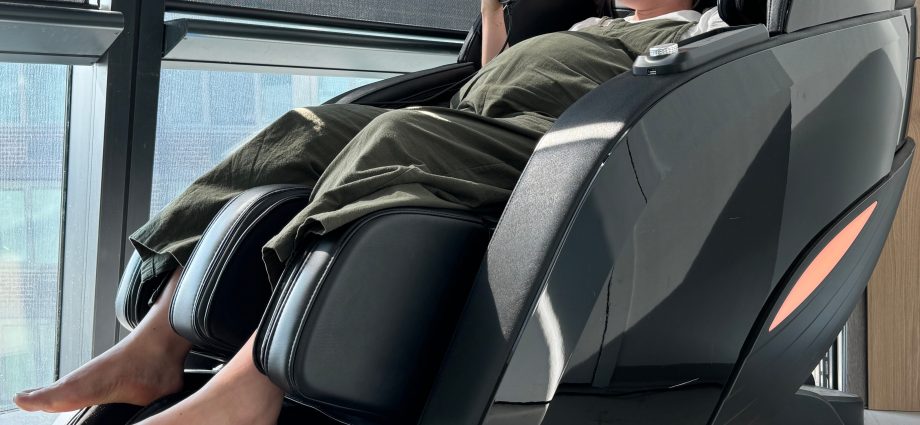
In today’s fast-paced world, many individuals spend a significant portion of their day seated at desks, often leading to various physical discomforts and pains. Prolonged sitting can cause muscle stiffness, back pain, neck strain, and poor circulation. As people seek effective ways to alleviate these issues without interrupting their busy schedules, massage chairs have become increasingly popular as a potential solution. But can massage chairs truly help with the pain associated with desk jobs?
Massage chairs are designed to simulate the techniques used by professional masseuses through mechanical rollers and airbags that target specific areas of the body. For those who work long hours at a desk, these devices offer convenience and accessibility for regular relief from tension and soreness. The primary benefit lies in their ability to improve blood flow and relax tight muscles that develop from maintaining static postures for extended periods.
One common complaint among desk workers is lower back pain caused by prolonged sitting and poor posture. Massage chairs often include features such as lumbar rollers or heat therapy aimed at loosening tight muscles in this region. By applying consistent pressure and gentle kneading motions, these chairs can reduce muscle stiffness while promoting relaxation. Additionally, increased circulation helps deliver oxygen and nutrients to affected tissues which may accelerate recovery from minor strains.
Neck and shoulder discomfort is another prevalent issue due to hunching over computers or looking down at screens for hours on end. Many advanced massage chairs incorporate specialized mechanisms targeting the cervical spine area along with shoulder massages that mimic human touch techniques like tapping or shiatsu massage. These functions help relieve tension headaches caused by muscular tightness while improving overall mobility in the upper body.
Beyond physical benefits, using a massage chair reviews also contributes positively to mental well-being by reducing stress levels commonly experienced during demanding workdays. The calming effect of rhythmic massages encourages relaxation which may lead to improved focus once returning to tasks.
While massage chairs provide numerous advantages for managing desk job-related pain symptoms, they should not be viewed as standalone solutions but rather complementary tools within an overall wellness strategy. Incorporating regular breaks involving stretching exercises along with ergonomic adjustments-such as proper chair height or monitor positioning-will maximize results when combined with consistent use of a quality massage chair.
It is important to note that individual experiences vary depending on factors such as severity of discomfort or pre-existing conditions; therefore consulting healthcare professionals before starting any new treatment regimen remains advisable.
In conclusion, massage chairs offer promising support for alleviating common aches associated with sedentary desk jobs by promoting muscle relaxation, enhancing circulation, reducing stress levels, and encouraging better posture awareness indirectly through comfort improvement sessions. When used responsibly alongside other health-conscious practices like movement breaks and ergonomic workspace design improvements they can significantly contribute toward mitigating chronic pain problems faced by office workers worldwide.