
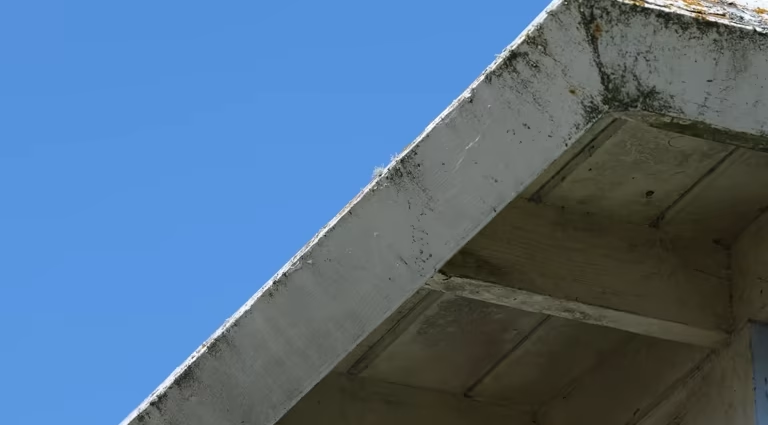
Proper roof ventilation is a critical aspect of maintaining the structural integrity and energy efficiency of any building. Among various components that contribute to effective ventilation, soffits play a vital role. Soffits are the horizontal or slanted panels located beneath the eaves of a roof, connecting the edge of the roof to the exterior wall. These seemingly simple architectural elements serve an essential function in ensuring proper airflow within the attic space, which directly impacts the longevity and performance of a roofing system.
One primary reason soffits are indispensable for roof ventilation is their ability to facilitate continuous airflow into the attic. Proper ventilation requires both intake and exhaust points; soffits typically act as intake vents, allowing fresh air from outside to enter beneath the eaves. This incoming air replaces warm, moist air that rises naturally through exhaust vents located near or at the ridge of the roof. Without sufficient intake through soffit vents, exhaust vents cannot function effectively, leading to poor circulation and trapped heat or moisture in attic spaces.
The benefits of adequate soffit ventilation extend beyond just temperature regulation. By promoting steady airflow, soffits help prevent condensation buildup inside attics-a common issue when moist indoor air meets cooler surfaces during soffite colder months. Excess moisture can lead to mold growth, wood rot, and deterioration of insulation materials, all contributing to costly repairs and compromised indoor air quality over time.
Moreover, proper attic ventilation facilitated by soffits also helps regulate temperatures during hot weather conditions. When attics become excessively hot due to inadequate airflow, it can cause shingles on roofs to deteriorate prematurely under extreme heat stress. Additionally, high attic temperatures increase cooling loads on HVAC systems inside homes or buildings by transferring heat downward through ceilings and walls. Ventilated soffits allow cooler outdoor air to enter low points in roofing structures while pushing out hot stale air from higher points efficiently-thus reducing overall energy consumption.
In terms of installation considerations for homeowners or builders looking for optimal results with their roofing projects-it’s important that soffit vents remain unobstructed by insulation or debris since blockages hinder airflow dramatically. Materials used for soffit construction should be durable enough against weather exposure but also designed with perforations or slots specifically engineered for maximum venting capacity without compromising aesthetics.
In conclusion, soffits are not merely decorative features but crucial components that ensure proper roof ventilation systems work effectively by providing necessary intake pathways for fresh air circulation throughout attics. Their presence prevents moisture problems while reducing thermal stress on roofing materials-all contributing significantly toward extending roof lifespan and improving energy efficiency within buildings across varying climates worldwide.