
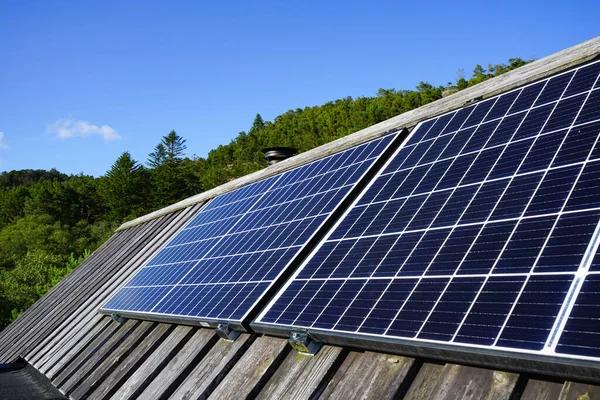
Installing solar panels has become an increasingly popular way for homeowners and businesses to reduce electricity bills and contribute to environmental sustainability. Understanding the costs involved and the potential savings is essential before making this investment. The total cost of installing solar panels depends on several factors, including system size, type of panels, location, labor charges, and any additional equipment needed such as inverters or battery storage. On average, residential solar panel installations range from $15,000 to $25,000 before incentives. This price reflects both hardware and installation services.
The size of the system is one of the most significant determinants of cost. Solar systems are measured in kilowatts (kW), with typical home installations falling between 4 kW and 10 kW depending on energy needs. Larger systems produce discover more electricity but require a higher upfront investment. Panel quality also influences pricing; premium brands tend to offer better efficiency and longer warranties but come at a steeper price point compared to budget options.
Labor costs vary by region due to differences in wages and permitting requirements. Some areas may have additional fees related to inspections or interconnection with the local power grid. These expenses should be factored into the overall budget when considering installation.
Financial incentives play a crucial role in reducing net costs for solar panel installations. Many governments offer tax credits or rebates that can cover a substantial portion of expenses. For instance, federal tax credits might allow you to deduct up to 30% of your installation cost from your taxes if you qualify. State-level programs can further lower out-of-pocket payments through cash rebates or performance-based incentives tied directly to energy production.
When it comes to savings over time, switching to solar energy typically reduces monthly electric bills significantly because sunlight is free once panels are installed. The exact amount saved depends on how much electricity your household uses versus what your system generates annually. In some cases, excess power produced during sunny periods can be sold back to utility companies under net metering policies, providing additional financial benefits.
The payback period-the time it takes for energy bill savings plus incentives to equal initial investment-usually ranges from six years up to twelve years depending on local electricity rates and available subsidies. After this period, homeowners effectively receive free electricity generated by their own system until its lifespan ends around 25-30 years.
Overall, while upfront costs may seem high initially, carefully evaluating installation expenses alongside potential government support reveals that investing in solar panels offers meaningful long-term economic advantages coupled with positive environmental impact through reduced carbon emissions from conventional power sources.