
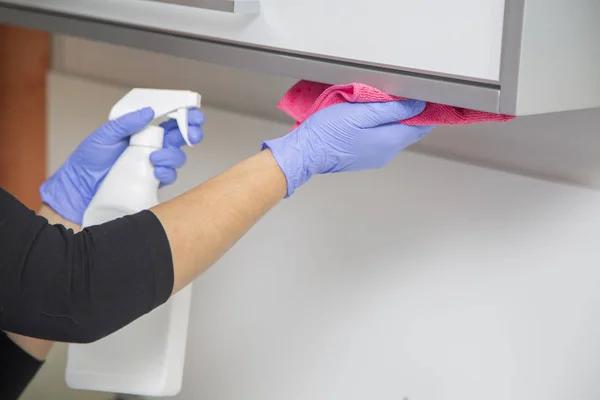
When it comes to maintaining a clean home, the choice between professional cleaning services and do-it-yourself (DIY) methods often hinges on cost-effectiveness. Many homeowners wonder which option truly saves money in the long run. While DIY cleaning may seem cheaper initially, considering all factors reveals a more complex financial picture.
DIY cleaning involves purchasing supplies such as detergents, disinfectants, mops, vacuums, and other tools. Although these products can be bought incrementally over time or reused multiple times, the upfront investment might add up quickly depending on the quality and type of equipment chosen. Additionally, some specialized tasks require specific products that are not only expensive but also demand proper knowledge for effective use. For example, deep carpet cleaning or upholstery care often needs particular machines that most households don’t own.
Time is another crucial aspect when evaluating cost savings from DIY efforts. Cleaning thoroughly takes hours out of one’s schedule regularly. This time could otherwise be spent working or engaging in activities with higher personal value. When factoring in lost productivity or leisure time sacrificed for cleaning chores, the perceived monetary saving diminishes significantly.
On the other hand, professional cleaners bring expertise and efficiency that usually exceed what an average homeowner can achieve alone. They discover further use industrial-grade equipment and eco-friendly products designed for optimal results without damaging surfaces or fabrics. Their experience allows them to target hidden dirt and allergens effectively while maintaining safety standards.
Hiring professionals may appear costly upfront due to service fees; however, these expenses cover labor costs along with high-quality materials and maintenance of equipment-costs that individuals bear independently during DIY attempts. Moreover, regular professional cleanings can prolong the life of carpets, furniture, fixtures, and appliances by preventing buildup of grime that leads to deterioration over time.
Another advantage lies in customized service plans offered by many companies based on client needs rather than a one-size-fits-all approach typical with generic household supplies used at home. This tailored attention ensures resources are utilized efficiently without unnecessary spending on ineffective products or redundant treatments.
In conclusion, while DIY cleaning provides control over timing and product selection with lower immediate costs per session, professional services deliver comprehensive benefits including superior cleanliness standards plus protection against premature wear on household items-all contributing to potential long-term savings greater than initial price differences suggest. The decision ultimately depends on individual priorities related to budget constraints versus convenience and quality expectations; nevertheless careful evaluation often reveals professional cleaning as a smarter financial choice over time rather than merely an expense item avoided through self-cleaning efforts alone.