
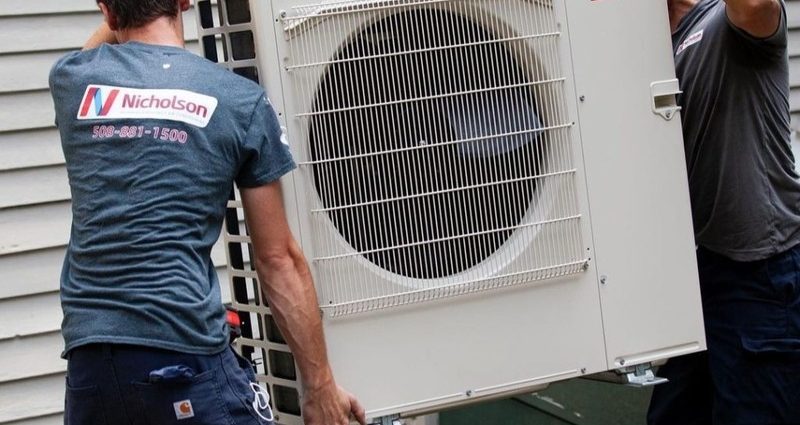
Choosing the right air conditioning installation for your home involves careful consideration of several factors to ensure comfort, efficiency, and long-term satisfaction. The first step is to evaluate the size of your living space. An air conditioner that is too small will struggle to cool effectively, while one that is too large can lead to unnecessary energy consumption and increased costs. It’s important to have a professional assess your home’s square footage, insulation quality, window placement, and sun exposure. This assessment helps determine the appropriate cooling capacity measured in British Thermal Units (BTUs), which directly influences performance.
Next, consider the different types of air conditioning systems available. Central air conditioning units are ideal for larger homes or those with multiple rooms requiring consistent temperature control. They distribute cooled air through ducts and vents but may involve higher installation costs due to ductwork requirements. Ductless mini-split systems offer flexibility by allowing you to install separate units in individual rooms without extensive ductwork; this option provides targeted cooling and can be more energy-efficient for smaller spaces or additions where extending ducts isn’t feasible. Window units are generally less expensive upfront but are best suited for single-room applications rather than whole-house cooling.
Air Conditioning Installation
Energy efficiency should play ac repair near me a significant role in your decision-making process because it affects operating costs over time as well as environmental impact. Look for models with high Seasonal Energy Efficiency Ratio (SEER) ratings or Energy Star certifications since these indicate better performance with lower electricity usage. Although higher-efficiency units might come with a greater initial price tag, they typically save money on utility bills throughout their lifespan.
Installation quality also matters greatly when choosing an air conditioning system for your home. Even the most advanced equipment can underperform if not installed correctly by experienced technicians who follow manufacturer guidelines and local building codes. Proper sizing of components like compressors and evaporator coils must align precisely with calculated cooling loads; otherwise, issues such as uneven temperatures or premature wear may occur.
Another factor worth considering is maintenance requirements after installation. Some systems require regular filter changes, coil cleaning, or refrigerant checks more frequently than others depending on design complexity and usage patterns. Understanding what upkeep entails helps set realistic expectations about ongoing care needed to maintain optimal functionality.
Finally, budget constraints often influence choices but balancing cost against features like warranty coverage, noise levels during operation, humidity control capabilities, and smart thermostat compatibility ensures you select a system tailored not just for immediate needs but future comfort as well.
By thoroughly analyzing space requirements, system types available on the market, energy efficiency ratings alongside installation expertise and maintenance demands within financial limits you establish a solid foundation toward selecting an ideal air conditioning solution that enhances indoor climate year-round reliably and efficiently without surprises down the road.
Gee Heating and Air
5340 McEver Rd Unit I-J, Flowery Branch, GA 30542
770-287-9110