
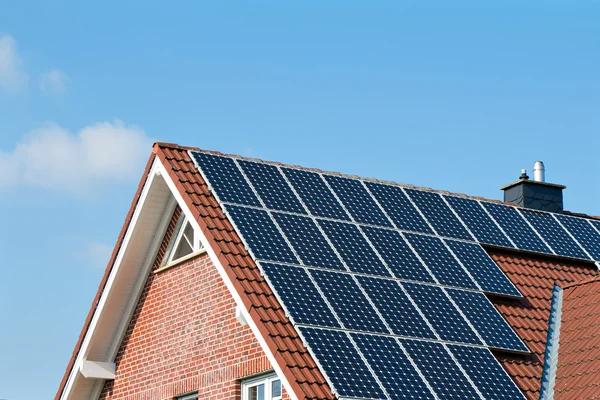
Solar energy systems have become increasingly popular as a sustainable and cost-effective solution for residential and commercial power needs. However, installing solar panels requires adherence to specific requirements to ensure safety, efficiency, and compliance with local regulations. Proper planning and preparation are essential before installation begins. This includes understanding the electrical codes relevant to the area, securing necessary permits, and selecting appropriate equipment that meets industry standards. Panels must be installed on structurally sound surfaces capable of supporting their weight while allowing adequate exposure to sunlight for optimal performance.
The location of solar panels plays a critical role in system effectiveness. Installers must assess shading patterns throughout the day and year to minimize obstructions caused by trees or buildings. The angle and orientation of panels should be optimized based on geographic location to maximize energy capture. Electrical connections need careful attention; wiring must comply with national electrical codes, using insulated conductors suitable for outdoor use to prevent hazards such as short circuits or fires.
Grounding is another vital aspect that ensures user safety by preventing electric shock during faults or lightning strikes. Proper grounding techniques involve connecting metal parts of the solar array securely to earth ground using approved materials like copper wire get more insights or grounding rods. Inverter placement also affects system reliability; it should be installed in well-ventilated areas protected from extreme weather conditions but accessible for maintenance purposes.
Inspection readiness is crucial once installation is complete because inspections verify compliance with all applicable standards before activation can occur. Preparing for inspection involves documenting all aspects of the installation process including design specifications, equipment certifications, permit approvals, and testing results if available. Inspectors will examine mounting hardware integrity, wiring quality, labeling accuracy on disconnect switches and overcurrent protection devices as well as verifying correct inverter settings aligned with utility interconnection requirements.
Addressing any deficiencies identified during inspection promptly prevents delays in commissioning the system which could impact energy savings goals. Homeowners or businesses should maintain open communication channels with inspectors by providing clear access routes around installations while answering queries about system components confidently.
Routine inspections after initial approval help sustain performance over time by identifying wear issues or potential hazards early enough for corrective action without significant downtime costs involved.
In summary, meeting solar requirements during installation combined with thorough preparation for inspections guarantees safe operation alongside regulatory conformity ensuring long-term benefits from renewable energy investments remain intact through proper execution at every stage of deployment efforts across diverse environments worldwide today.